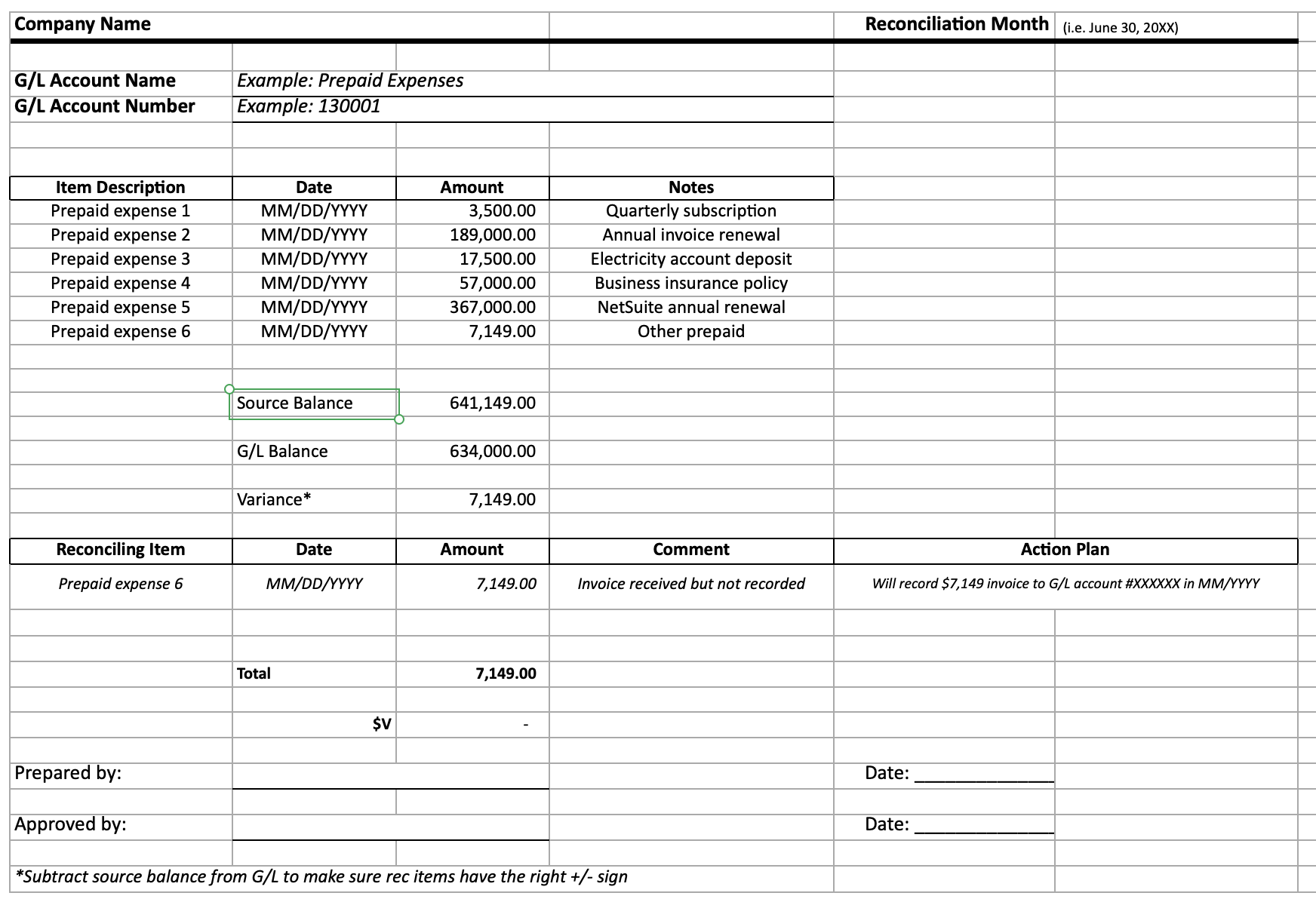
In modern accounting and finance, account reconciliation is one of the most important processes. Every business, whether small or large, must ensure that its financial records are correct. If there is any difference between company records and bank records, it must be identified and fixed. This process is called account reconciliation.
Sometimes businesses pay a reconciliation fee to accountants, auditors, or financial service providers. This fee covers the work required to review accounts, compare financial data, detect errors, and correct mismatches.
Many business owners and beginners in accounting often ask questions like:
- What is an account reconciliation fee?
- Why do businesses pay reconciliation fees?
- How does reconciliation work in real accounting?
- What is a reconciliation example with solution?
This detailed guide will answer all these questions. In this article, you will learn the meaning, types, process, real examples, solutions, tables, and practical tips related to account reconciliation fees.
This guide is written in simple English with short sentences to improve readability and help beginners understand the concept easily.
What Is Account Reconciliation?
Account reconciliation is the process of comparing two financial records to make sure they match.
Usually, companies compare:
- Internal accounting records
- Bank statements
- Financial reports
If the numbers are different, accountants investigate the reason and correct the error.
Simple Definition
Account reconciliation means checking financial records to confirm that all transactions are accurate and complete.
What Is an Account Reconciliation Fee?
An account reconciliation fee is the amount charged by an accountant, bank, or financial service provider for performing reconciliation services.
Businesses may pay this fee for:
- Monthly reconciliation
- Quarterly reconciliation
- Annual financial closing
- Audit preparation
Who Charges Reconciliation Fees?
| Service Provider | Why They Charge Fee |
|---|---|
| Accountants | Reviewing financial records |
| Banks | Special reconciliation services |
| Accounting firms | Financial statement verification |
| Auditors | Audit preparation work |
| Financial consultants | Financial data review |
The fee depends on the complexity of transactions and business size.
Why Account Reconciliation Is Important
Account reconciliation helps businesses maintain accurate financial records.
Main Benefits
- Detect accounting errors
- Identify fraud or unauthorized transactions
- Ensure financial accuracy
- Maintain compliance with accounting rules
- Improve financial decision making
Without reconciliation, businesses may face:
- Wrong financial reports
- Tax calculation errors
- Cash flow problems
- Audit issues
Types of Account Reconciliation
There are different types of reconciliation used in accounting.
1. Bank Reconciliation
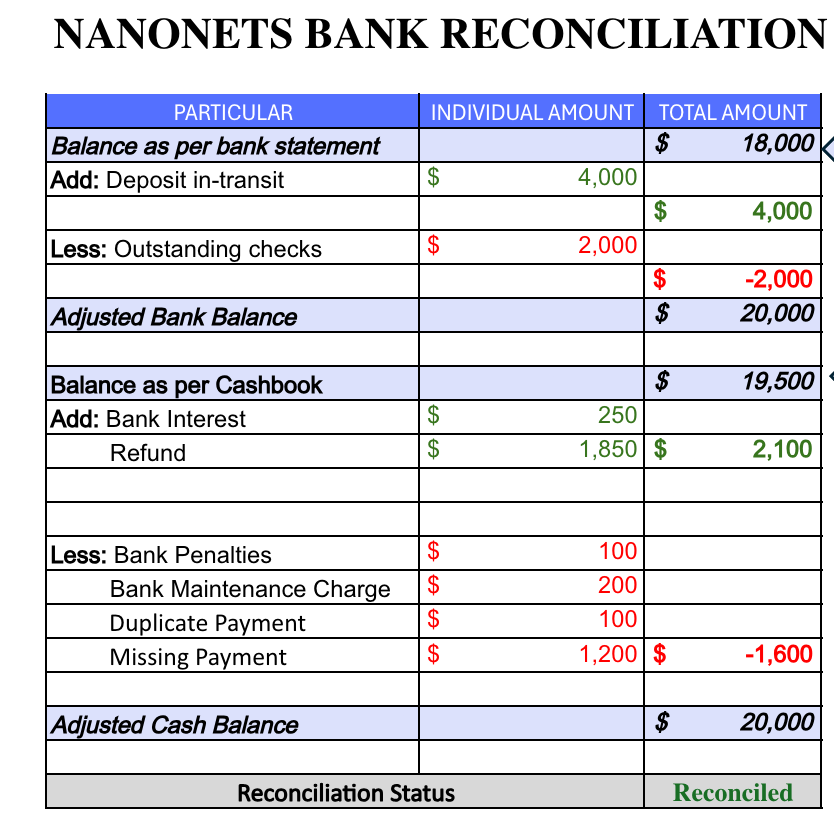
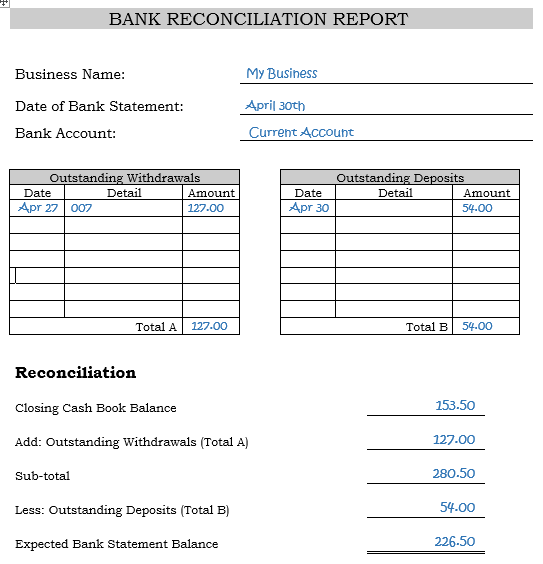
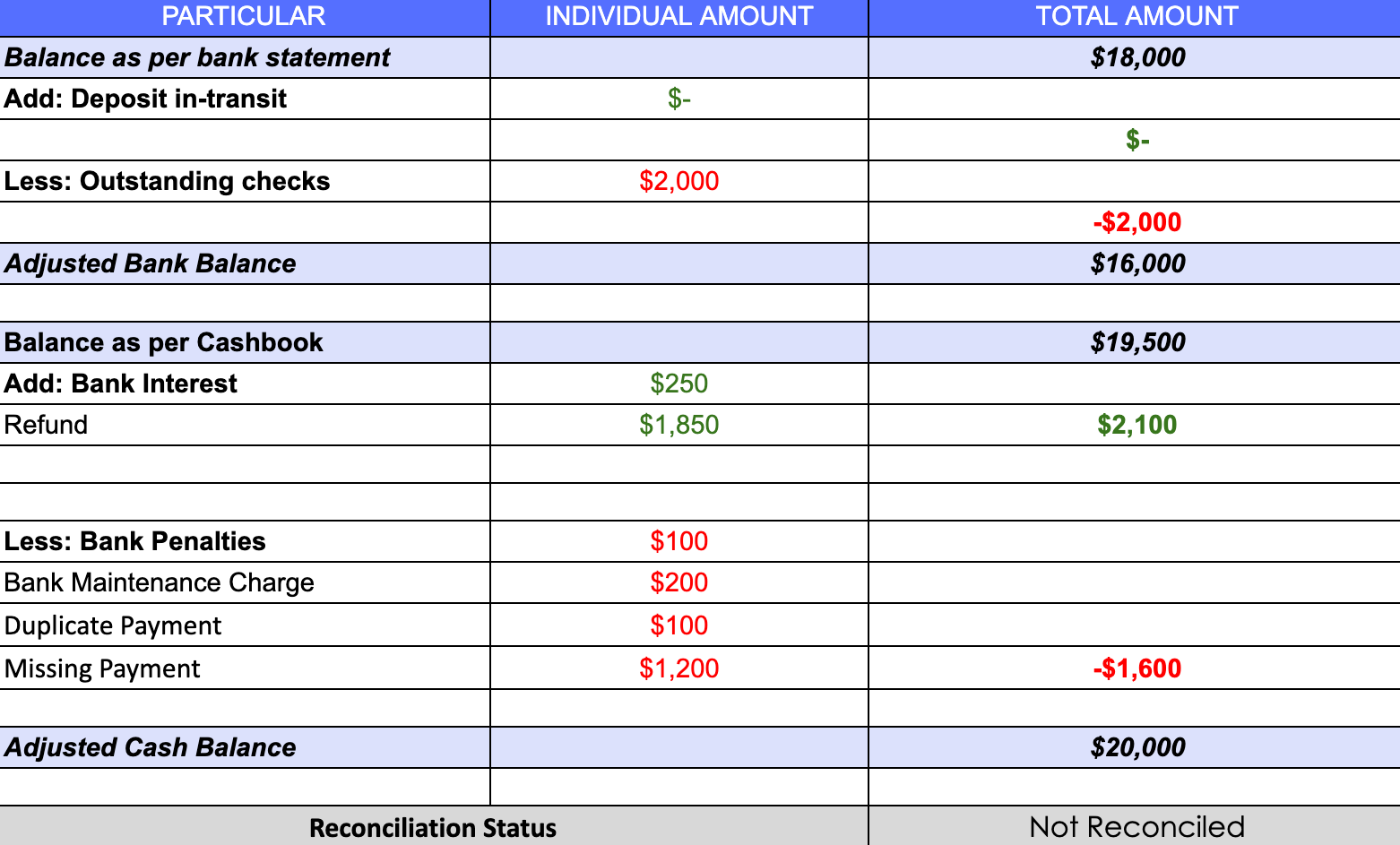
This is the most common type of reconciliation.
It compares:
- Company cash book
- Bank statement
Example Differences
- Outstanding checks
- Bank charges
- Deposits in transit
2. Vendor Reconciliation
Vendor reconciliation compares:
- Company records
- Vendor invoices
It ensures the business has paid the correct amount to suppliers.
3. Customer Reconciliation
Customer reconciliation checks:
- Customer invoices
- Payments received
It ensures the correct payment status.
4. Intercompany Reconciliation
Large companies often have multiple subsidiaries.
Intercompany reconciliation compares:
- Transactions between company branches.
When Do Businesses Pay Reconciliation Fees?
Businesses pay reconciliation fees in several situations.
Common Scenarios
| Situation | Reason |
|---|---|
| Monthly accounting | Routine financial checks |
| Annual closing | Preparing financial reports |
| Tax filing | Ensuring accurate income records |
| External audit | Preparing documentation |
| Fraud investigation | Reviewing suspicious transactions |
Small businesses usually pay monthly or quarterly reconciliation fees.
Example of Account Reconciliation Fee
Let us understand a simple example.
Scenario
A company hires an accountant to reconcile its bank account for January 2026.
The accountant reviews:
- 500 transactions
- Bank statements
- Internal accounting records
Fee Structure Example
| Service | Fee |
|---|---|
| Basic reconciliation | $50 |
| Error correction | $25 |
| Report preparation | $25 |
| Total Fee | $100 |
So the account reconciliation fee is $100 for that month.
Account Reconciliation Example With Solution
Now we will see a complete example with solution.
Step 1: Company Cash Book Balance
| Date | Description | Amount |
|---|---|---|
| Jan 1 | Opening Balance | $5,000 |
| Jan 5 | Sales Deposit | $2,000 |
| Jan 10 | Office Supplies | -$500 |
| Jan 15 | Client Payment | $1,500 |
| Jan 20 | Utility Payment | -$300 |
Cash Book Balance
Total = $7,700
Step 2: Bank Statement Balance
| Date | Description | Amount |
|---|---|---|
| Jan 1 | Opening Balance | $5,000 |
| Jan 5 | Deposit | $2,000 |
| Jan 10 | Supplies Payment | -$500 |
| Jan 15 | Client Payment | $1,500 |
| Jan 18 | Bank Fee | -$50 |
| Jan 20 | Utility Payment | -$300 |
Bank Balance
Total = $7,650
Problem in Reconciliation
Cash Book Balance = $7,700
Bank Statement Balance = $7,650
Difference = $50
Solution
The difference occurred because of bank charges.
The bank deducted $50 but the company did not record it.
Correcting Entry
| Date | Description | Amount |
|---|---|---|
| Jan 18 | Bank Charges | -$50 |
After adjustment:
New Cash Book Balance = $7,650
Now both balances match.
Reconciliation Statement Example
| Particulars | Amount |
|---|---|
| Cash Book Balance | $7,700 |
| Less: Bank Charges | -$50 |
| Adjusted Balance | $7,650 |
Now the account is fully reconciled.
Step-by-Step Reconciliation Process
Businesses follow a standard reconciliation process.
Step 1: Collect Documents
Documents required:
- Bank statements
- Accounting ledger
- Receipts
- Invoices
Step 2: Compare Transactions
Compare every transaction between:
- Cash book
- Bank statement
Step 3: Identify Differences
Look for:
- Missing entries
- Bank fees
- Duplicate payments
- Timing differences
Step 4: Adjust Records
Make corrections in accounting records.
Step 5: Prepare Reconciliation Statement
Create a summary report.
Common Reasons for Reconciliation Differences
Differences happen for many reasons.
| Reason | Explanation |
|---|---|
| Bank charges | Not recorded in company books |
| Outstanding checks | Checks not yet cleared |
| Deposit delays | Bank processing delay |
| Data entry errors | Wrong amount entered |
| Fraudulent transactions | Unauthorized transactions |
Identifying these differences is the main purpose of reconciliation.
How Reconciliation Fees Are Calculated
Accountants calculate reconciliation fees based on several factors.
Factors Affecting Fee
- Number of transactions
- Business size
- Complexity of accounts
- Software used
- Time required
Example Fee Structure
| Transactions | Fee |
|---|---|
| 0–100 | $25 |
| 100–500 | $75 |
| 500–1000 | $150 |
| 1000+ | Custom pricing |
Large companies may pay thousands of dollars for reconciliation services.
Accounting Software for Reconciliation
Modern businesses use accounting software.
Popular tools include:
| Software | Features |
|---|---|
| QuickBooks | Automatic reconciliation |
| Xero | Bank feed integration |
| Zoho Books | Small business accounting |
| FreshBooks | Expense tracking |
These tools reduce manual work.
Tips to Reduce Reconciliation Fees
Businesses can reduce fees by improving accounting practices.
Best Tips
✔ Maintain daily records
✔ Use accounting software
✔ Keep invoices organized
✔ Reconcile monthly
✔ Avoid duplicate transactions
Good financial management reduces reconciliation complexity.
Real Business Case Study
Company Profile
Small retail store.
Monthly transactions: 300
Problem
Owner noticed mismatch between:
- Bank statement
- Accounting records
Difference = $500
Investigation
Accountant discovered:
- Bank charges
- Missing sales entries
- Duplicate payment
Solution
After correction:
Balance matched successfully.
Fee Charged
| Service | Cost |
|---|---|
| Investigation | $120 |
| Reconciliation | $80 |
| Report | $50 |
Total Fee = $250
Account Reconciliation Best Practices
Businesses should follow best practices.
Recommended Practices
- Reconcile accounts monthly
- Use automated accounting software
- Review transactions regularly
- Keep proper documentation
- Train accounting staff
These practices improve financial accuracy.
Frequently Asked Questions (FAQs)
1. What is an account reconciliation fee?
An account reconciliation fee is the charge for reviewing and matching financial records to ensure accuracy.
2. Why do companies perform account reconciliation?
Companies perform reconciliation to detect errors, ensure financial accuracy, and prevent fraud.
3. How often should reconciliation be done?
Most businesses perform reconciliation monthly, but large companies may do it weekly or daily.
4. What is the difference between bank reconciliation and account reconciliation?
Bank reconciliation compares bank statements with company records.
Account reconciliation can include many financial accounts.
5. What causes reconciliation differences?
Common causes include bank fees, outstanding checks, timing differences, and data entry errors.
6. Can reconciliation be automated?
Yes. Many accounting software programs automate reconciliation processes.
7. Who performs account reconciliation?
Accountants, financial analysts, auditors, or bookkeeping professionals usually perform reconciliation.
8. What happens if reconciliation is not done?
Without reconciliation, businesses may face incorrect financial statements and potential fraud.
9. How much does reconciliation service cost?
The cost varies depending on the number of transactions and complexity. It may range from $25 to several hundred dollars.
10. Is reconciliation required for small businesses?
Yes. Even small businesses should perform reconciliation to maintain accurate financial records.
Conclusion
Account reconciliation is a critical accounting process. It ensures that financial records match bank statements and other financial documents. Without proper reconciliation, businesses may face financial errors, fraud risks, and reporting problems.
The account reconciliation fee is the cost businesses pay for professional reconciliation services. This fee depends on the number of transactions, complexity, and time required.
Through the example and solution provided in this guide, you can clearly understand how reconciliation works in real accounting situations.
By using accounting software, maintaining accurate records, and performing regular reconciliation, businesses can improve financial accuracy and reduce reconciliation costs.
Disclaimer
This article is for educational and informational purposes only. The examples provided are simplified to explain accounting concepts easily. Actual reconciliation processes and fees may vary depending on business size, accounting standards, country regulations, and professional service providers. Readers should consult a qualified accountant or financial professional before making financial or accounting decisions.
Contents
- 1 What Is Account Reconciliation?
- 2 What Is an Account Reconciliation Fee?
- 3 Why Account Reconciliation Is Important
- 4 Types of Account Reconciliation
- 5 When Do Businesses Pay Reconciliation Fees?
- 6 Example of Account Reconciliation Fee
- 7 Account Reconciliation Example With Solution
- 8 Problem in Reconciliation
- 9 Solution
- 10 Reconciliation Statement Example
- 11 Step-by-Step Reconciliation Process
- 12 Common Reasons for Reconciliation Differences
- 13 How Reconciliation Fees Are Calculated
- 14 Accounting Software for Reconciliation
- 15 Tips to Reduce Reconciliation Fees
- 16 Real Business Case Study
- 17 Account Reconciliation Best Practices
- 18 Frequently Asked Questions (FAQs)
- 18.1 1. What is an account reconciliation fee?
- 18.2 2. Why do companies perform account reconciliation?
- 18.3 3. How often should reconciliation be done?
- 18.4 4. What is the difference between bank reconciliation and account reconciliation?
- 18.5 5. What causes reconciliation differences?
- 18.6 6. Can reconciliation be automated?
- 18.7 7. Who performs account reconciliation?
- 18.8 8. What happens if reconciliation is not done?
- 18.9 9. How much does reconciliation service cost?
- 18.10 10. Is reconciliation required for small businesses?
- 19 Conclusion
- 20 Disclaimer